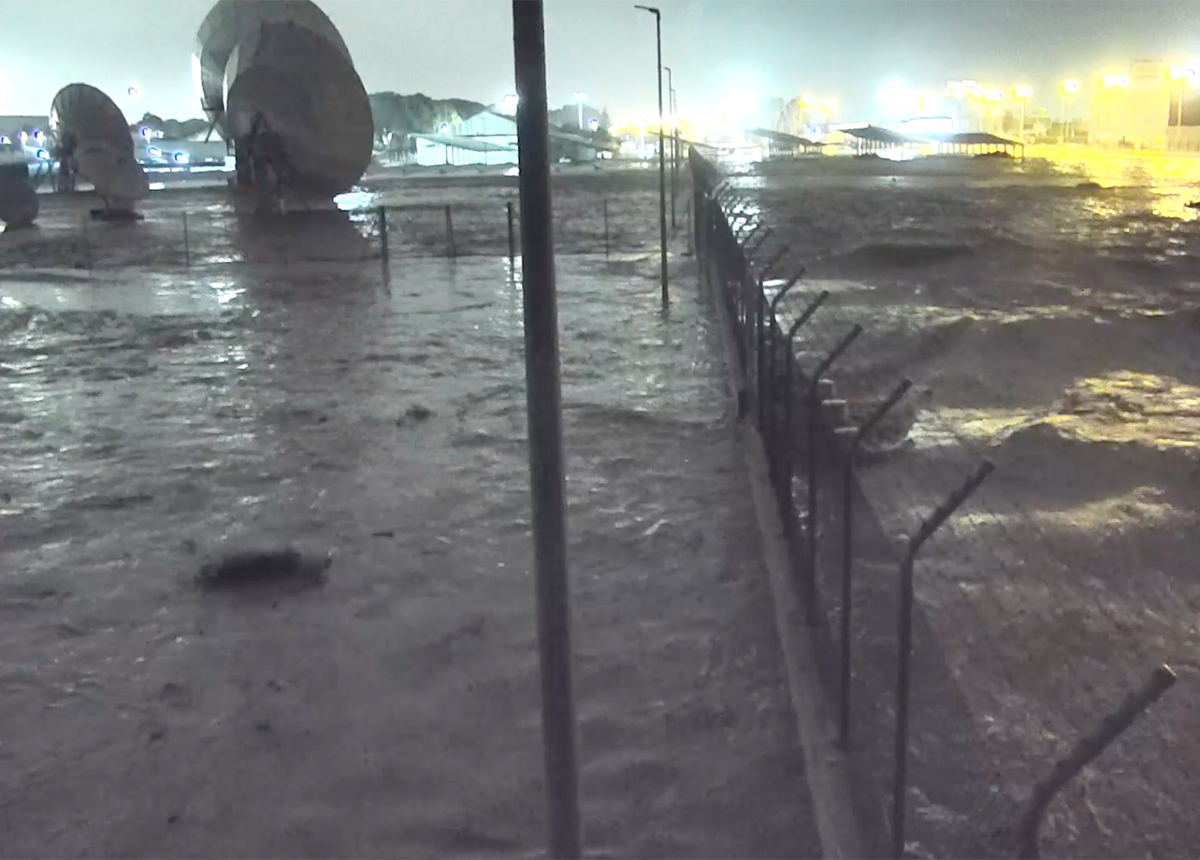
On 29 October 2024, the eastern region of Spain, including the Valencia area, was hit by one of the most severe flood disasters in recent history. An isolated, high-altitude, low-pressure weather system (known locally as DANA) caused torrential rainfall that exceeded a year's worth of rain in less than eight hours. Rivers and ravines overflowed, urban infrastructure was overwhelmed, and the disaster resulted in hundreds of fatalities and widespread damage. This was not an ordinary storm. The intensity and speed of the flooding disrupted essential services — electricity, telecommunications, transport — and laid bare the vulnerability of systems that people rely on every day.
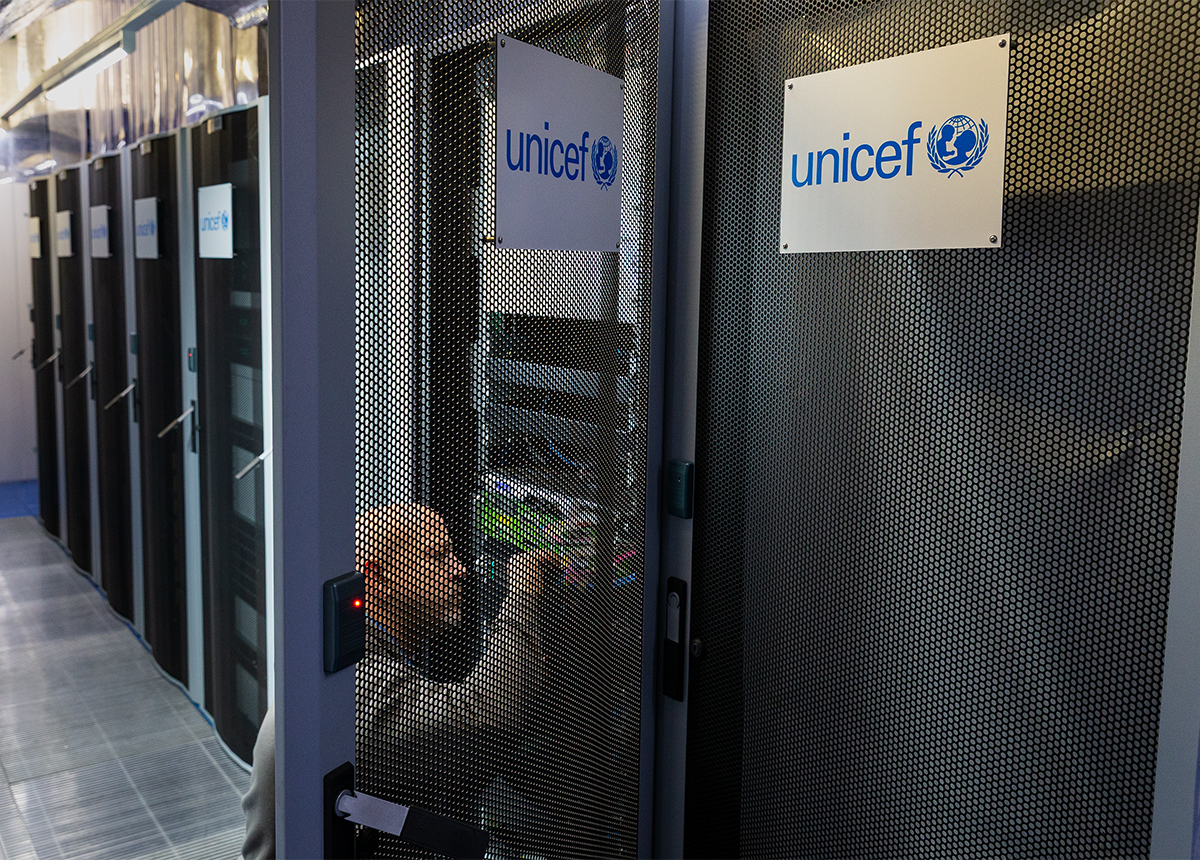
At the time of this flood event, critical digital services hosted at the United Nations Information and Communications Technology Facility (UNICTF) in Valencia were at risk. A disruption at the data centre level does not mean "some servers go dark": it means that every partner and client whose systems are hosted there can lose access to core capabilities.
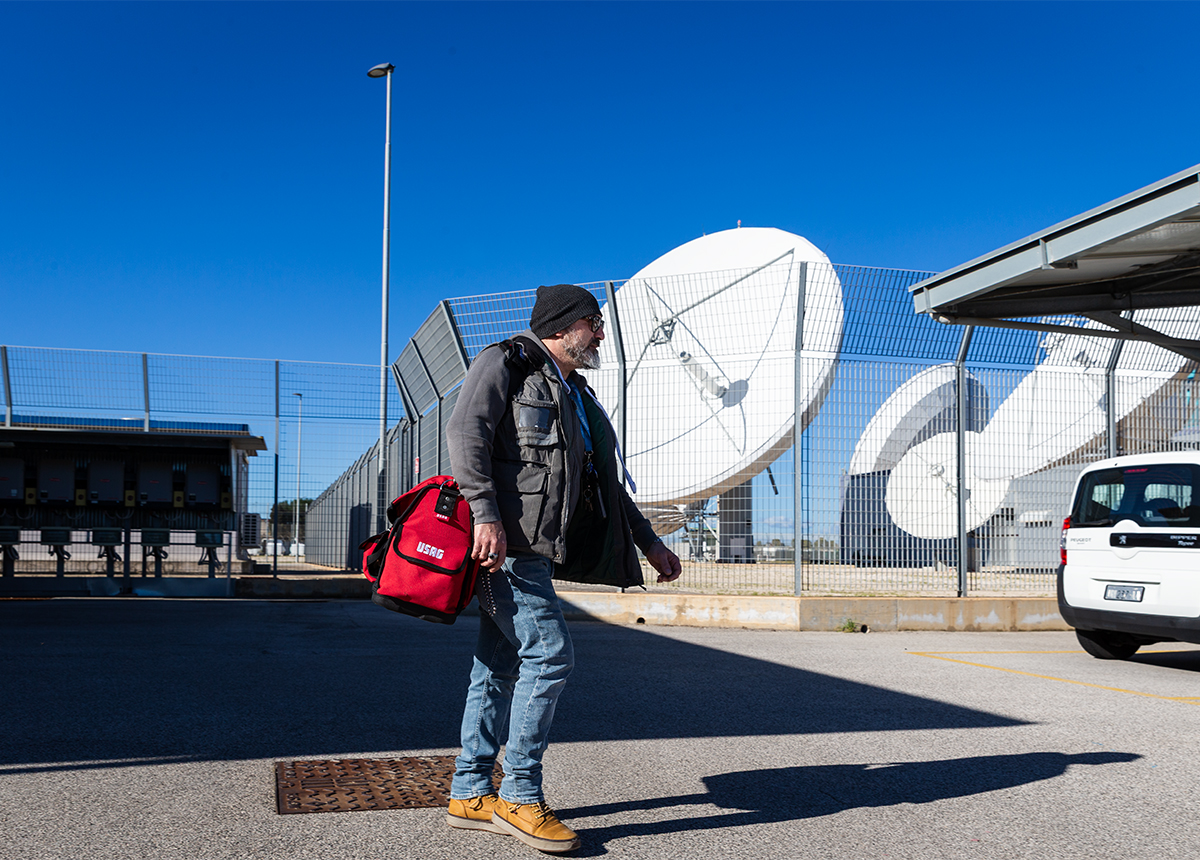
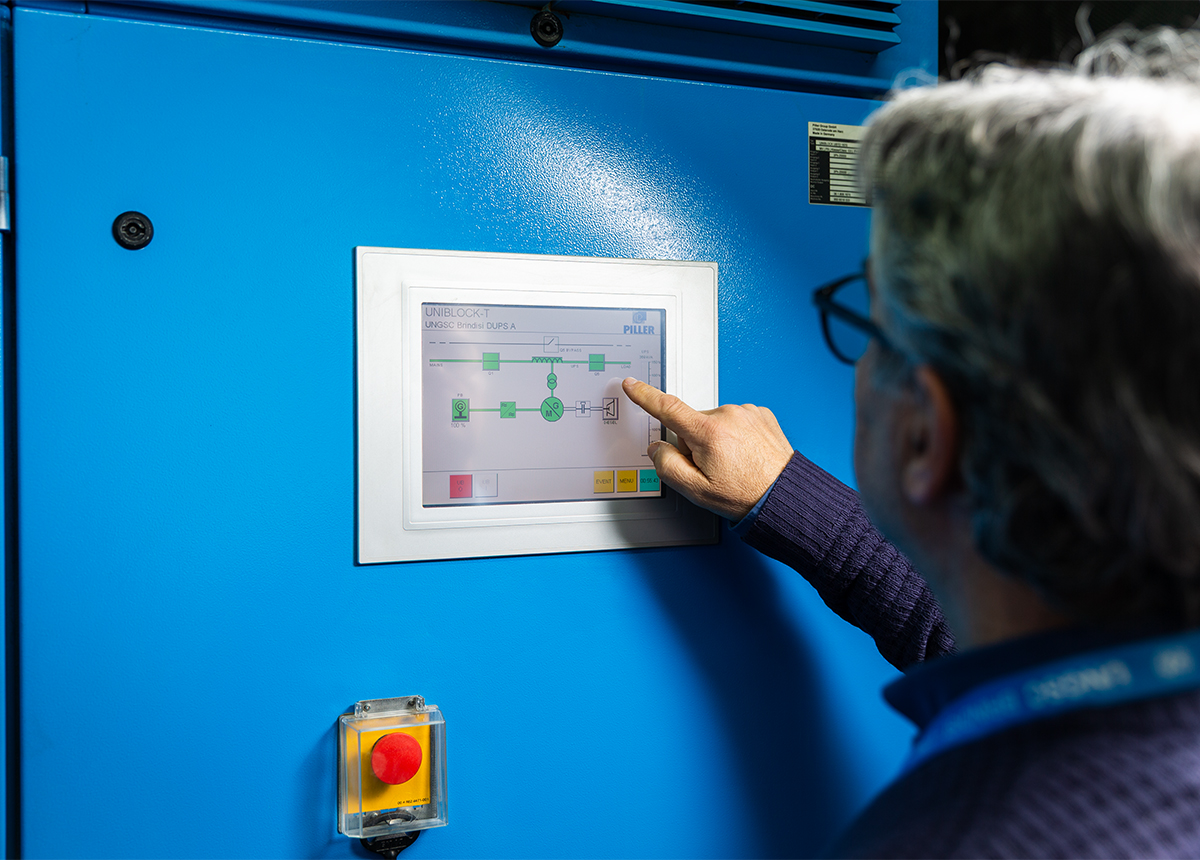
To reduce the risk of disruption, the United Nations Global Service Centre (UNGSC) operates a Twin Data Centre model across two geographically separate locations: one in Brindisi and one in Valencia. The model is designed to provide geographic redundancy and operational continuity: if one location is affected by environmental or technical disruptions, the other can sustain services without interruption.
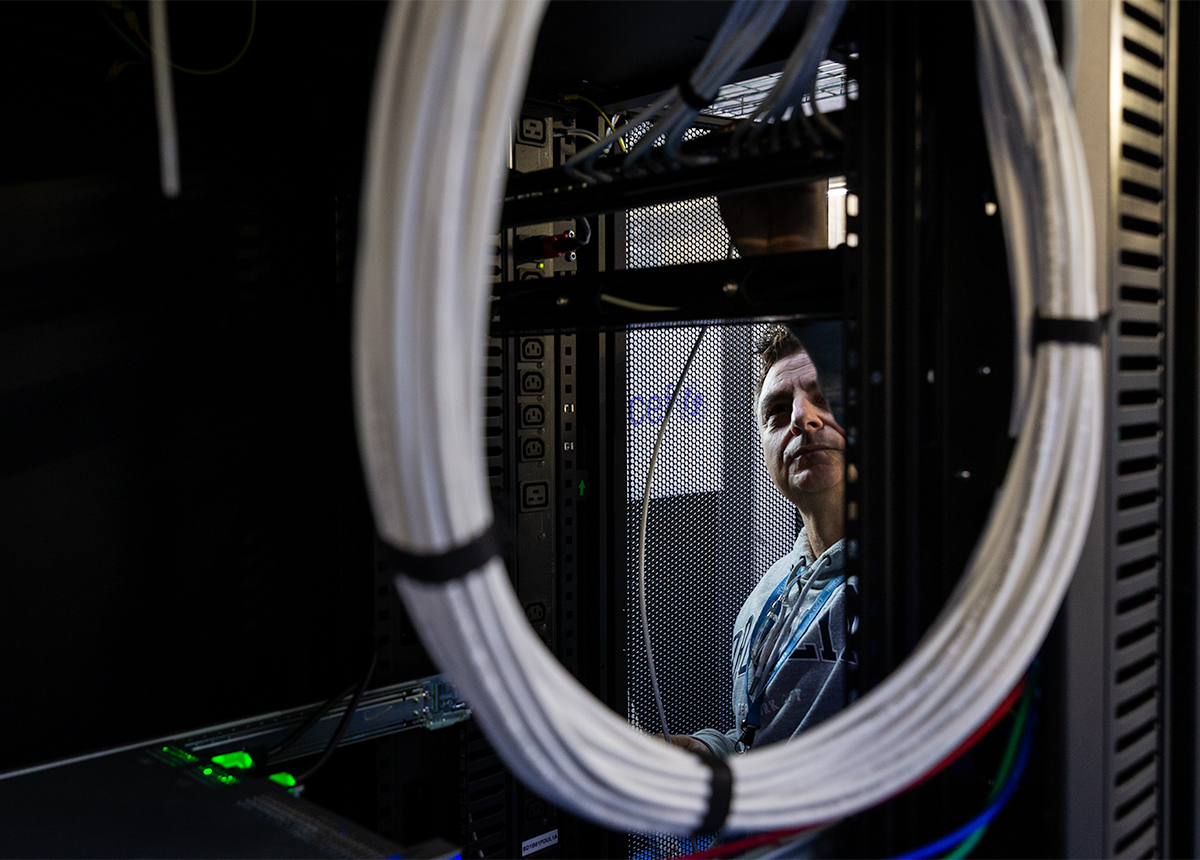
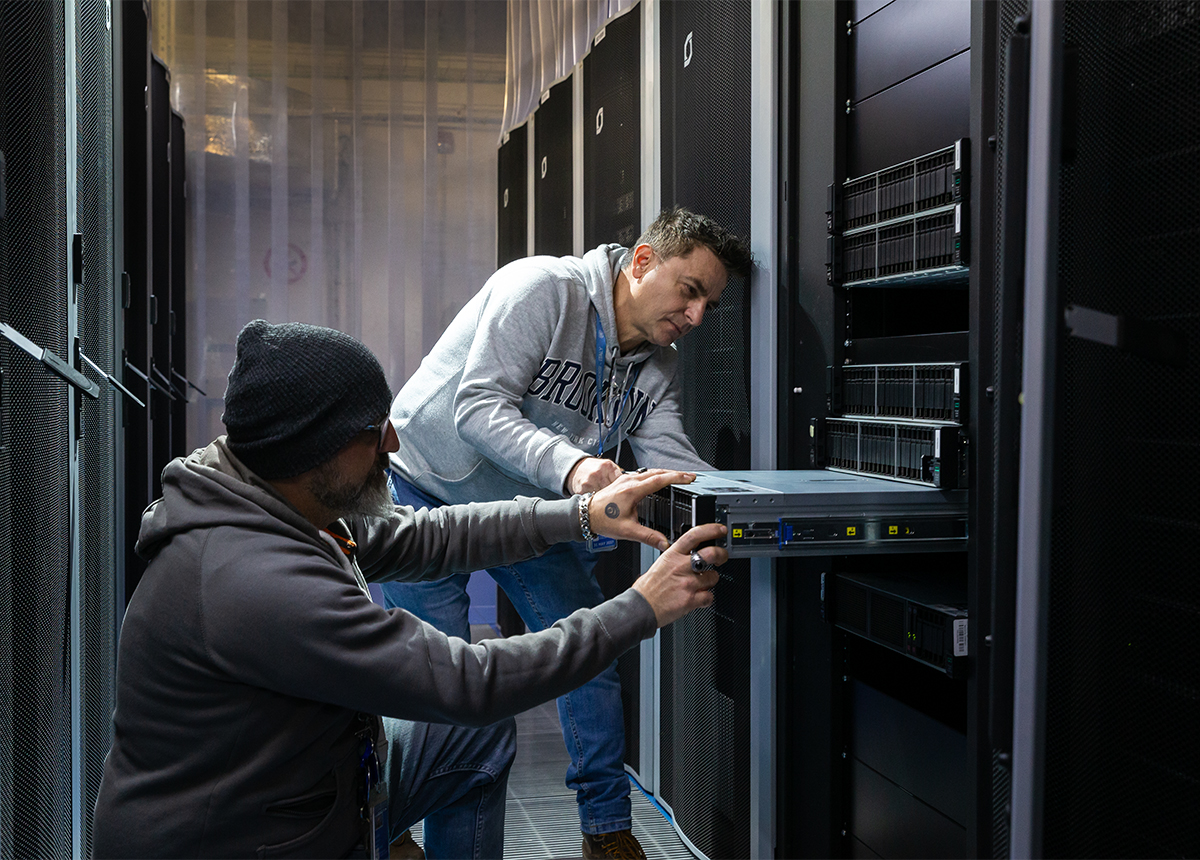
During this event, that design was tested in real conditions. Services were automatically and seamlessly failed over from Valencia to Brindisi. Operations continued, demonstrating the value of having two separate sites configured to back each other up. Both facilities are monitored around the clock by dedicated technical teams, supported by established incident escalation procedures and resilient infrastructure controls — including redundant power distribution, advanced fire detection and suppression, and precision environmental management designed to protect critical systems.
Reliability is designed into the infrastructure. The data centres are certified as Tier III, which means the facilities are designed so that planned maintenance can be carried out without shutting down services ("concurrently maintainable"), keeping operations available while infrastructure is sustained over time. Operations are also aligned with internationally recognized standards for information security, service management, and environmental management, thereby reinforcing governance and risk controls.
Sustainability is also measurable. In 2025, the photovoltaic systems at the two sites generated approximately 2.26 gigawatt-hours of clean electricity, avoiding around 541 metric tons of carbon dioxide emissions. This is broadly comparable to powering over 600 homes for a year, while reducing the environmental footprint of critical information and communications infrastructure.
For peacekeeping missions and humanitarian operations, uninterrupted access to digital systems is not a matter of administrative convenience — it is an operational necessity. The Twin Data Centre model is therefore not only an engineering choice. It is a continuity mechanism designed for stability on routine days, and proven during disruption — including in October 2024, when resilience was required, not just planned.