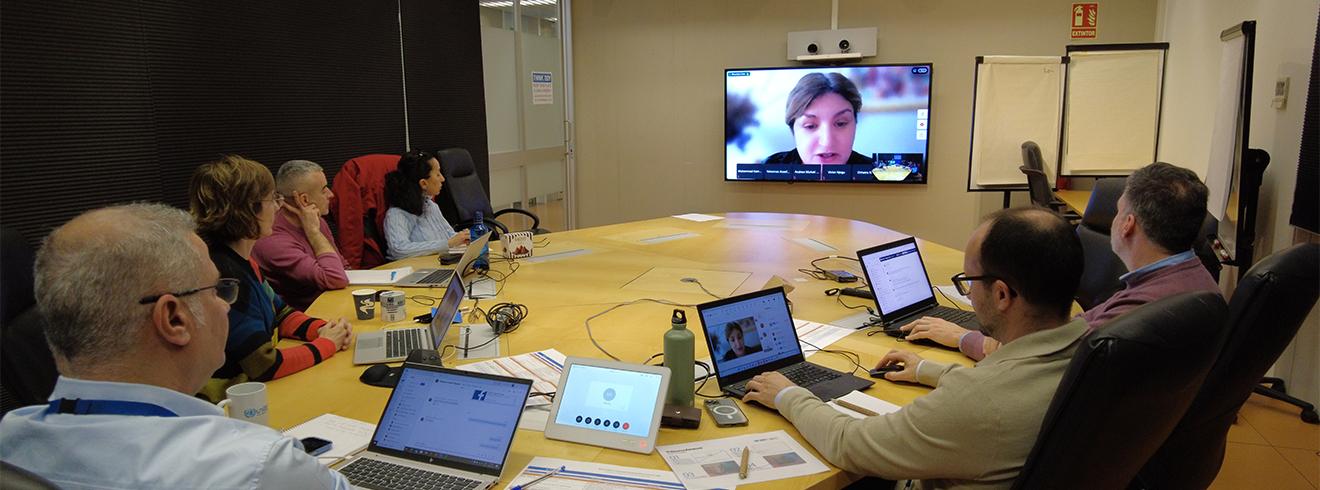
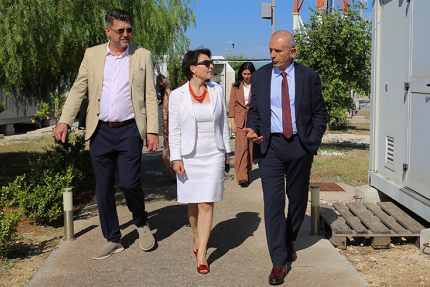
On 9–10 February 2026, the United Nations Global Service Centre (UNGSC) brought together 160 participants from 15 field missions and Headquarters to shape the next phase of the Field Remote Infrastructure Monitoring (FRIM) programme.
Over recent years, FRIM has expanded across UN missions, using connected sensors to monitor generators, fuel systems, water networks, and environmental infrastructure. This has created a reliable, mission-wide picture of how critical assets perform in real time.
The focus of the workshop was to define how this information can more systematically support operational and managerial decisions.
For example, generator monitoring allows missions to analyse actual power consumption patterns. In situations such as fuel shortages, this insight enables engineering teams to redistribute loads, prioritize essential facilities, and reduce unnecessary fuel use — helping maintain continuity of operations under pressure.
FRIM 3.0 builds on this foundation. Participants aligned on strengthening data standards through Coverage and the Data Quality Index (DQI), integrating FRIM with the Electronic Fuel Management System (eFMS) and Environmental Action Planning and Performance (eApp), and expanding monitoring to Fuel systems and Contingent Owned Equipment (COE). A new system contract will also introduce next-generation sensors.
The objective is clear: ensure that trusted infrastructure data is consistently integrated into maintenance planning, fuel management, environmental reporting, and leadership oversight.
FRIM 3.0 represents a shift from observing infrastructure performance to actively supporting informed, data-driven management across UN field missions.