As environmental concerns and resource scarcity become more pressing issues globally, businesses and other types of organizations are increasingly looking for ways to redesign their supply chains to operate more sustainably, and the concept of circularity is a key part of this important shift.
The term “circular supply chain” stems from the concept of a “circular economy,” defined as “a system ... where products and materials are kept in circulation through processes like maintenance, reuse, refurbishment, remanufacture, recycling and composting.” (Ellen MacArthur Foundation)
Since its establishment in 2019, the Department of Operational Support (DOS), Office of Supply Chain Management (OSCM), has been transitioning to more circular supply chains, with initiatives aimed at reducing waste and optimizing the use of resources across the Secretariat.
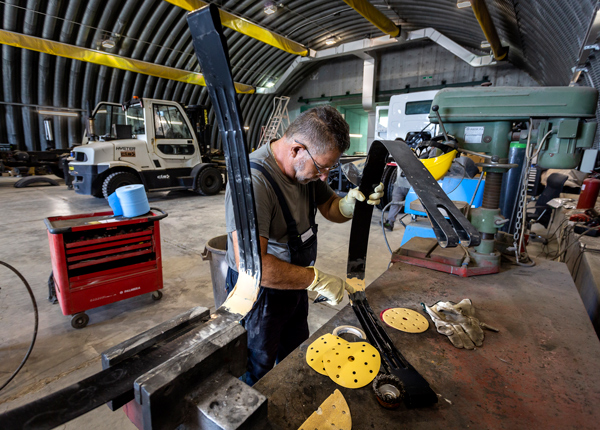
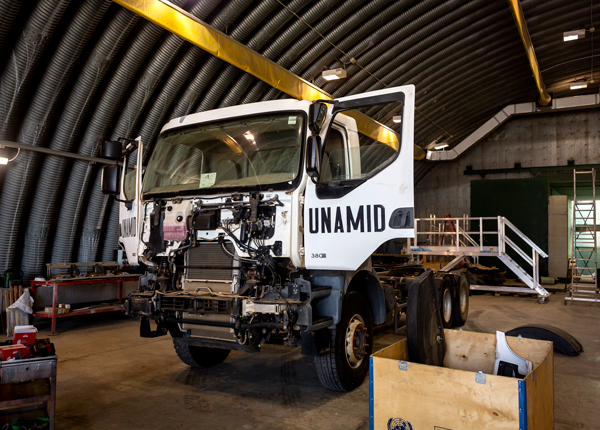
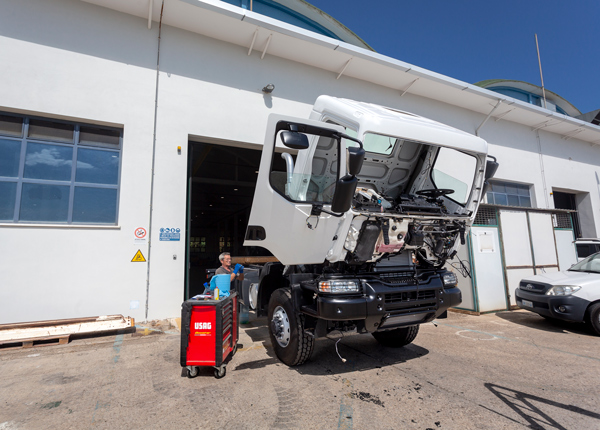
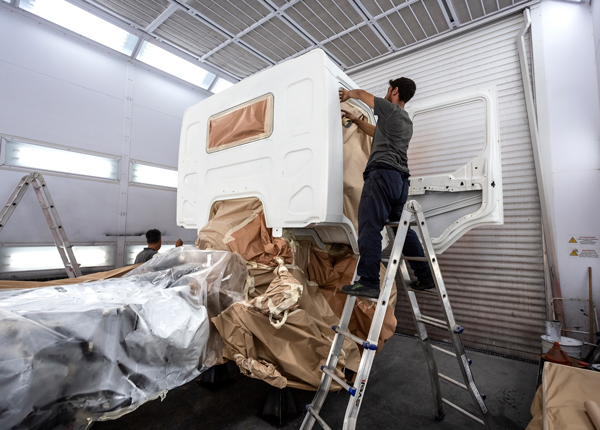
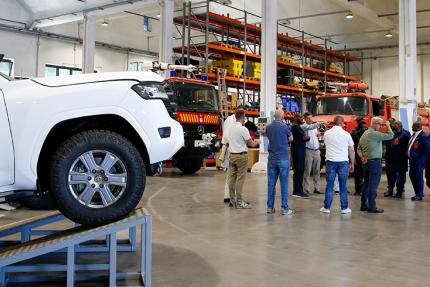
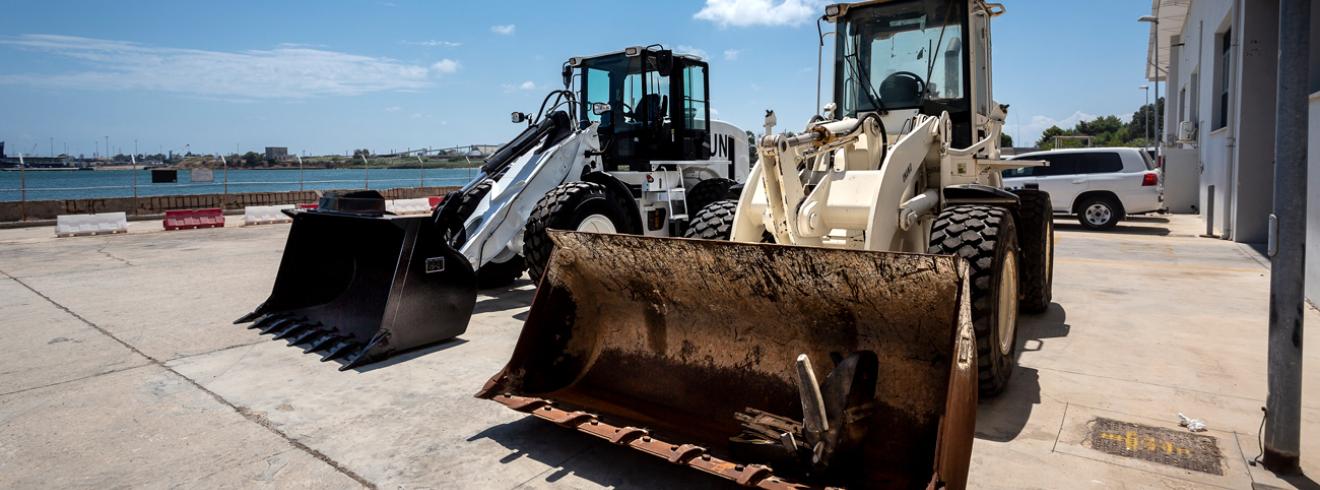
A significant advance in terms of introducing circularity on a larger scale was the launch of the Return, Refurbish and Reuse (3R) Programme, managed by UNGSC. Established during the drawdown of the African Union-United Nations Hybrid Operation in Darfur (UNAMID), when 105 high-value assets (e.g., drills, bulldozers, generators, etc.) were transported to UNGSC for refurbishment and subsequent redeployment, the Programme has already yielded approximately $US 3.5M in cost savings for the UN.
Ebrima Ceesay, while serving as Director of Mission Support at the United Nations Organization Stabilization Mission in the Democratic Republic of the Congo (MONUSCO), shared his perspective: “Circularity in the supply chain makes economic sense and supports good environmental management. Whether it is the reuse of refurbished high-valued vehicular assets or the recycling of plastic waste for construction of walkways, MONUSCO has partnered with DOS and UNGSC to realize timely and sustainable supply chain solutions. Scaling up the 3R initiative to include other materials and exploring options for refurbishment closer to missions, will improve efficiency and contribute to positive legacy of peace operations.”
Learn more in the article "Towards a Circular Supply Chain" in our 30th anniversary publication Of Service: Stories of Solutions and Impact 1994-2024 (p.19).
UN Photo / Alejandro Vicuña Leyton